Furniture stuck in tight doorways? Local fitting fixes
Posted on 18/06/2026
If you have ever stood in a hallway with a sofa half-tilted, a wardrobe wedged at an impossible angle, and someone quietly saying, "It was measured, wasn't it?", you already know the problem. Furniture stuck in tight doorways? Local fitting fixes is not just a moving-day nuisance; it is the difference between a calm, controlled move and a scratched wall, strained back, or a piece of furniture that simply will not go where it needs to go.
The good news is that most access problems have practical fixes. Some are simple on-the-spot adjustments. Others need careful dismantling, better route planning, or a local removal team that understands narrow hallways, awkward stair turns, and old UK property layouts. This guide explains how fitting fixes work, when they make sense, what to try first, and when to step back and let a professional handle it.
Whether you are moving a flat-pack wardrobe, a corner sofa, a bed frame, or an oversized desk, the aim is the same: get the item through safely, with the least stress possible. Let's face it, no one wants to discover on moving day that the door frame has won.
Why Furniture stuck in tight doorways? Local fitting fixes Matters
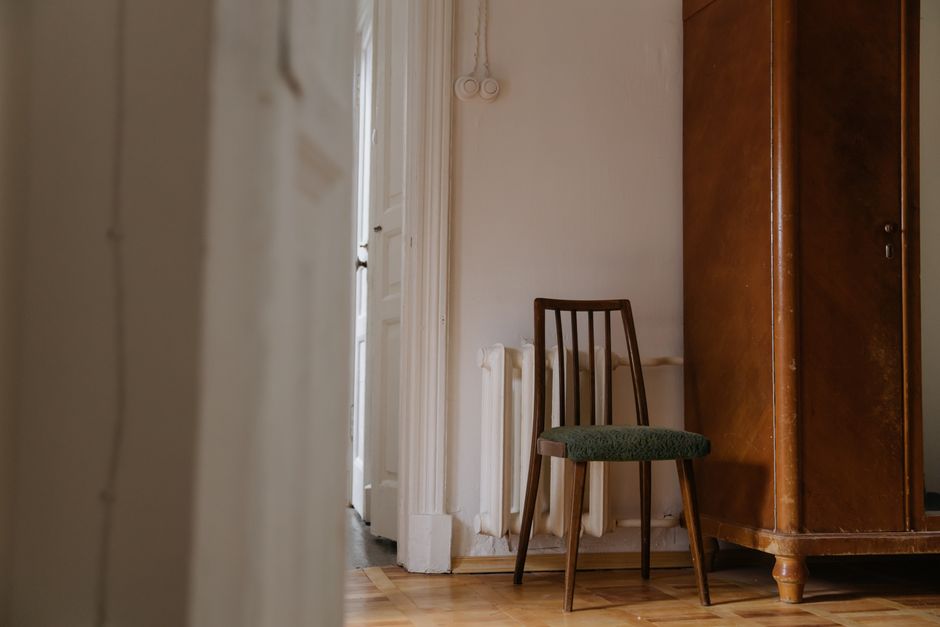
A doorway that looks "almost wide enough" can be misleading. Furniture does not move like a flat ruler. It needs clearance for the width, depth, height, angle of approach, door handle protrusion, skirting boards, stair landings, and the little pinch points you only notice when it is too late. That is why access problems are so common in house moves, especially in Victorian terraces, mansion blocks, and compact flats.
There is also a cost to getting it wrong. A rushed lift can damage the item, scuff plaster, chip paintwork, or bend hinges. Even worse, people tend to keep forcing the object because the clock is ticking. Truth be told, that is when accidents happen.
Local fitting fixes matter because they are practical, fast, and context-aware. A local team understands the kind of entrances common in the area, the stair shapes, the hallway widths, and the simple fact that many properties were never designed for today's furniture sizes. That local experience often saves more time than brute force ever could.
For people moving in and around Canonbury, narrow access is hardly unusual. If you are dealing with a tight flat entrance, awkward communal stairs, or a front room that opens straight into a corridor, the right approach is less about strength and more about method.
How Furniture stuck in tight doorways? Local fitting fixes Works
The phrase "fitting fixes" covers a few practical approaches. It does not mean every item must be taken apart, and it does not mean every problem needs specialist tools. Usually, the answer is a sequence of small decisions made in the right order.
First comes assessment. The mover checks the item dimensions, the doorway opening, the height from floor to ceiling, and the route beyond the doorway. That route is important. Sometimes a piece will fit through the door but then fail at the turn in the hallway. Sometimes the entrance is fine, but the stair landing is the real culprit.
Next comes the fitting method. That may include tilting, removing legs, taking off doors, unscrewing arms, sliding the item on blankets, or temporarily stripping protective trim that can be re-secured later. In some cases, a modular item is rebuilt in the room where it will live. With flat-pack or semi-assembled furniture, that can be the cleanest option.
Sometimes a more specialist move is needed. Bed frames, wardrobes, pianos, and large sofas often need a careful blend of planning and technique. If you want a broader sense of how these moves are handled, the guides on moving beds and mattresses and professional piano handling show how different items require different handling.
In real life, the fitting fix usually happens in seconds once the plan is right. That is the funny part. The hard work is nearly always in the thinking beforehand.
Key Benefits and Practical Advantages
There are several reasons people choose local fitting fixes instead of trying to muscle furniture through a doorway. Some are obvious, others show up only after the move is underway.
- Less damage risk: Careful fitting reduces the chance of scraped walls, cracked veneer, torn upholstery, and bent fixtures.
- Better speed overall: A good fit strategy usually takes less time than repeated failed attempts.
- Less physical strain: You avoid the awkward twisting, lifting, and sudden pushes that can strain backs and shoulders.
- More control in tight spaces: Narrow hallways and small staircases become manageable when the item is measured and handled properly.
- Higher chance of preserving the furniture: Many items survive a move only because someone chose the right angle and not the hardest shove.
- Cleaner final result: Reassembled furniture and adjusted fittings usually look and perform better than a forced move.
There is also a confidence benefit. Once you know a chair leg can come off, or a wardrobe can be angled safely, the whole move feels less chaotic. Small win, but a real one.
And if the move is part of a bigger relocation, fitting fixes can sit neatly alongside wider moving support such as packing materials and supplies, furniture removals, or a full house removals service. The point is not to overcomplicate things. It is to make the route fit the item, not the other way round.
Who This Is For and When It Makes Sense
Local fitting fixes are for anyone dealing with awkward access, but some people benefit more than others.
Home movers in older properties often need this most. Victorian and Edwardian homes can have narrow doors, tight landings, curved staircases, and awkward internal corners. If that sounds familiar, you may already be mentally measuring the sofa against the hallway. Fair enough.
Flat movers also run into this problem a lot, especially where shared entrances, small lifts, or narrow communal corridors are involved. If you want a better sense of how compact layouts affect moving day, the article on narrow-access planning for tower and flat moves is a useful companion read.
Students and short-term renters often have limited time, limited tools, and furniture that was bought for one room but now has to fit into another. A fitting fix can save a lot of stress. For those moves, student removals support can be especially handy.
People moving bulky or delicate items need this too. Think wardrobes, bedside units, large mirrors, office desks, and the beloved sofa that is somehow both too heavy and too sentimental. Some items are worth the extra care because replacement is expensive or sentimental. That is where a measured fitting approach pays off.
It makes sense whenever the item is too valuable, too awkward, or too close to the door size for guesswork to be acceptable.
Step-by-Step Guidance
Here is the simplest way to tackle a furniture-versus-doorway problem without turning the day into a wrestling match.
- Measure everything properly. Measure the furniture at its widest, deepest, and tallest points. Then measure the doorway opening, including the frame, handle side, and any trim that reduces clearance.
- Check the route, not just the door. Look at the hallway, stair bend, landing, and room entrance beyond the doorway. The route often matters more than the first opening.
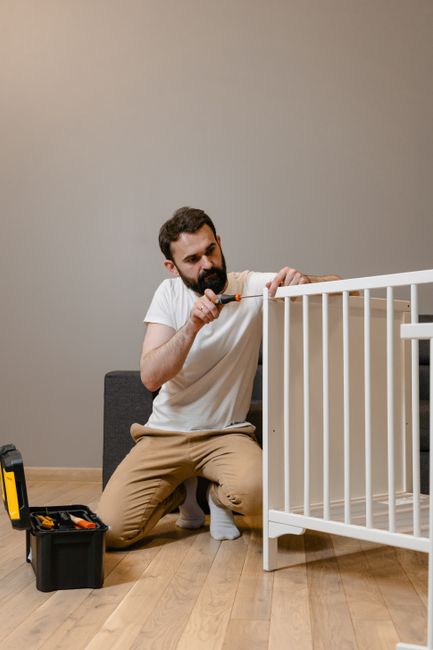
- Remove what can be removed safely. Legs, cushions, detachable shelves, handles, doors, and side panels may create just enough extra clearance. Keep screws and fittings in labelled bags.
- Protect the building before moving. Put down blankets or covers where the furniture could brush a wall or frame. A minute spent on protection can save a lot of irritation later.
- Try the correct angle first. Many items go through when turned diagonally or tilted. Do not keep trying the same straight-on approach if it already failed twice.
- Use controlled movement. Slow, steady moves beat sudden pushes. One person should call the angles. Everyone else should listen. Not always easy, I know.
- Pause if the fit feels unsafe. If the item is binding or the lift is awkward, stop and rethink. Forcing it usually makes the situation worse.
- Reassemble and check stability. Once in place, tighten fittings, level the item, and inspect for damage before you move on.
If the job is still not working after the first sensible attempt, that is usually your signal to change strategy rather than continue pushing. A good local mover will pivot fast, because repeated force is rarely the answer.
Expert Tips for Better Results
These are the small, practical details that often separate a smooth move from a frustrating one.
- Measure with packaging off. Cardboard, wrapping, and protective blankets can add enough bulk to matter in a tight opening.
- Take doors off hinges if needed. It sounds dramatic, but sometimes it is the easiest way to gain a useful bit of extra space.
- Watch for skirting boards and light switches. These are common snag points and easy to overlook.
- Use furniture sliders or moving blankets. They help protect the floor and make adjustments easier.
- Plan the sequence. If the biggest item goes first, you may trap the rest of the load behind it. Think ahead a little.
- Leave enough people on the job. One person guiding the angle and one supporting the weight can be better than a group all trying to help at once.
If you are interested in body mechanics and safer lifting, the guide on kinetic lifting methods gives a useful feel for how controlled movement helps in confined spaces. It is not about showing off. It is about keeping things tidy and safe.
A final tip that gets overlooked: if the furniture is in pieces already, keep the hardware with the piece itself. Sounds obvious, but somehow the Allen key disappears into the moving day void every single time.
Common Mistakes to Avoid
The same errors come up again and again when furniture gets stuck in a doorway. Avoiding them can save time and damage.
- Assuming the advertised furniture size is the real size. Real-world dimensions can differ once feet, handles, hinges, or trim are included.
- Ignoring the turning space. A piece may fit through the door but not pivot inside the corridor.
- Forcing a straight push. If the angle is wrong, more force rarely fixes it.
- Failing to protect the route. Small scratches become annoying very quickly.
- Leaving dismantled parts unlabeled. That is how a simple job turns into a lost-screw treasure hunt.
- Working when tired or rushed. Mistakes grow when everyone wants to finish five minutes ago.
There is also a subtle mistake people make: treating the doorway as the whole problem. Often, the doorway is just the first clue. The real issue is a tight corner, stair landing, or room arrangement beyond it. You need to think three moves ahead, not one.
And yes, sometimes the item truly will not fit in one piece. That is not a failure. It is information. Helpful information, actually.
Tools, Resources and Recommendations
You do not need a van full of specialist kit to handle many fitting problems, but the right basics make a noticeable difference.
- Steel tape measure: For accurate dimensions of both furniture and access points.
- Protective blankets and wraps: Good for protecting furniture edges, door frames, and floor surfaces.
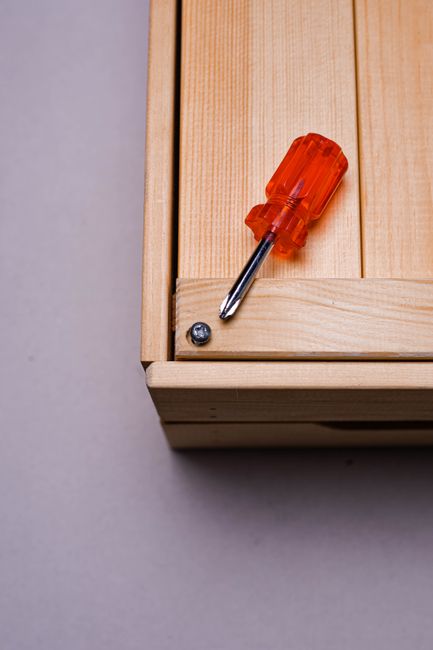
- Screwdrivers and Allen keys: Essential for dismantling common furniture joints.
- Furniture sliders: Helpful on smooth floors when gently repositioning an item.
- Labels and small bags: Useful for hardware, bolts, and removable parts.
- Strong gloves: Helpful for grip and a bit of protection during handling.
For a wider move, it helps to have a company page or service overview handy so you understand what support is available before moving day. The services overview is useful for that kind of planning, especially if fitting fixes are only one part of the job.
If you need a vehicle for transporting dismantled furniture or multiple items at once, options such as man with a van, man and van, or a dedicated removal van can help depending on load size and access needs.
Law, Compliance, Standards, or Best Practice
For domestic moves, there is usually no special legal rule that says how furniture must be fitted through a doorway. That said, best practice matters a lot, especially where safety and property care are concerned.
In the UK, movers are generally expected to work carefully, avoid preventable damage, and use reasonable manual handling practices. If a team is lifting heavy items, sensible handling technique is part of good professional conduct. That usually means planning the route, sharing load properly, and not taking avoidable risks with backs, fingers, or floors.
Good practice also means respecting shared buildings. In flats and converted houses, it is sensible to avoid blocking common areas for long periods, keep noise down where possible, and protect walls and floors in communal spaces. If you are moving near busy streets or shared access points, timing can matter too. The guide on loading, noise and timing advice for busy local moves is relevant here.
Insurance is another practical point. A careful approach is always preferable, but it is still wise to check that any removal support you use has appropriate cover and clear terms. For peace of mind, the pages on insurance and safety and terms and conditions can help set expectations before the job begins.
Options, Methods, or Comparison Table
There is more than one way to solve a tight-doorway problem. The right method depends on the item, the access route, and how much time you have.
| Method | Best for | Pros | Watch out for |
|---|---|---|---|
| Angle-and-tilt fitting | Sofas, chairs, lighter wardrobes, desks | Fast, minimal dismantling, often enough on its own | Needs good coordination and route clearance |
| Partial dismantling | Wardrobes, bed frames, shelving, modular furniture | Creates extra clearance without a full rebuild | Hardware can be misplaced if not labelled |
| Door removal | Very tight internal doorways or narrow halls | Quick gain in clearance, often surprisingly effective | Requires care to avoid hinge or frame damage |
| Room rebuild | Flat-pack or modular furniture | Best for large pieces that will not travel assembled | Takes time and needs good instructions/tools |
| Professional removal support | Bulky, valuable, or awkward items | Safer, faster, less stress, better handling of surprises | Should be booked early if access is especially tricky |
For many households, the best answer is a combination. For example, remove the door, tilt the item, and detach one set of legs. That kind of layered fix is often exactly what gets the job done.
Case Study or Real-World Example
A typical scenario: a resident in a compact flat has a two-door wardrobe that looked fine in the showroom but now seems to have developed a personal grudge against the hallway. The wardrobe is technically not huge, but the entrance has a narrow frame, the corridor turns immediately, and there is a radiator on one side. Lovely.
The first instinct is usually to turn it upright and try to "just get it through." That tends to fail. In this sort of situation, a fitter approach would be to remove the wardrobe doors, take off the base feet, protect the corner edges, and angle the carcass diagonally through the frame. If the corridor still traps the item, the team may decide to move it partially assembled into the room and finish the rebuild there.
That is the kind of practical judgment local teams bring. Not magic. Just experience.
If the move also involves tricky access in a flat or older property, the fit strategy may be paired with a more general local removal service such as flat removals or removals in Canonbury. In urgent situations, same-day help can also be useful when access complications throw the schedule off course.
Practical Checklist
Use this before the move starts. It is simple, but it works.
- Measure the furniture, including feet, handles, and any protruding parts.
- Measure the doorway width and height, then check the frame and hinges.
- Inspect the route for corners, radiators, stair turns, and low ceilings.
- Decide which parts can be removed safely.
- Prepare tools, labels, blankets, and protective wraps.
- Clear the path and remove loose floor items.
- Protect walls, corners, and flooring before starting.
- Choose who will guide the angle and who will support the load.
- Stop and reassess if the fit feels wrong.
- Check for damage and tighten fittings once the item is in place.
Key takeaway: the best fitting fixes are usually calm, measured, and slightly unglamorous. Measure first, move second, and resist the urge to force the issue. That one habit saves a lot of bother.
Get a free quote today and see how much you can save.
Conclusion
Furniture stuck in a tight doorway can feel like a small disaster in the moment, especially when the day is already packed with boxes, noise, and decisions. But most of the time, there is a proper fix. It might be a better angle, a little dismantling, a removed door, or a more experienced local team who has dealt with awkward access many times before.
The real win is not just getting the furniture through. It is getting it through without damage, without panic, and without the moving day turning into a story you tell for the wrong reasons. A careful fitting fix can make the whole move feel easier, and honestly, that calm feeling is worth a lot.
So if you are facing a doorway that looks just a bit too tight, do not assume you are stuck. Measure it properly, choose the right method, and let the route tell you what the furniture needs. Small adjustment, big difference.
And once it is finally in place, you can step back, breathe out, and enjoy the quiet satisfaction of a job done properly. Bit of a relief, really.