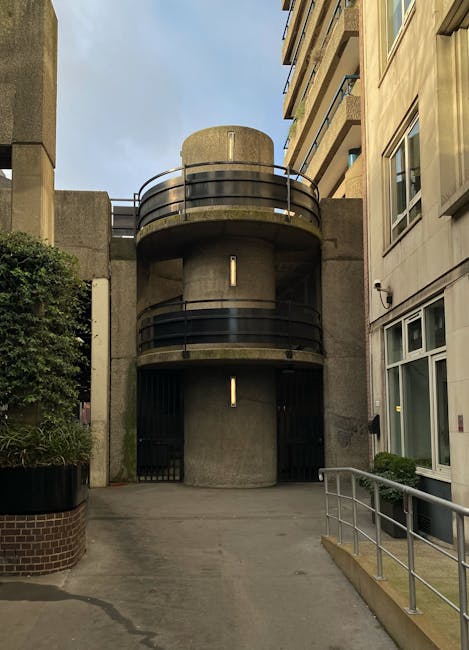
Canonbury Tower moves: narrow-access planning
Posted on 15/05/2026
Canonbury Tower Moves: Narrow-Access Planning That Makes a Tight Move Feel Manageable
If you are planning a move near Canonbury Tower, the access issue is often the real story. Not the boxes. Not even the stairs, usually. It is the narrow entrance, the awkward turn in the hallway, the tight street outside, or the fact that a sofa simply will not behave itself on the way out. Canonbury Tower moves: narrow-access planning is about preparing for those awkward realities before moving day arrives, so the whole job feels calmer, safer, and far less improvised.
Done well, narrow-access planning turns a stressful move into something structured. You identify the pinch points, match the right vehicle and crew to the property, decide what should be dismantled, and build a route that works in the real world, not just on paper. That matters whether you are moving from a flat, a house, a student property, or a home with particularly tight access around Canonbury and the surrounding Islington streets. Truth be told, a little planning here saves a lot of carrying later.
This guide walks through what narrow-access planning means, why it matters, how it works in practice, and how to avoid the mistakes that usually cause delays. You will also find a checklist, a practical comparison table, a real-world style example, and helpful internal resources if you want to prepare more thoroughly.
Why Canonbury Tower moves: narrow-access planning Matters
Canonbury Tower and the streets around it can present the sort of access challenges that are easy to underestimate. A property might look straightforward at first glance, but then you notice a stairwell with a sharp bend, a narrow front path, limited kerb space, or a doorway that is just a bit too snug for larger furniture. Those are the situations where narrow-access planning becomes essential.
The main reason it matters is simple: moving day is not the time for discovery. If a wardrobe cannot turn the corner, or a mattress gets stuck halfway down a staircase, time slips away quickly. The stress builds, the risk of damage rises, and what should have been a tidy move turns into a slow shuffle with everyone trying to work out Plan B on the spot. No one enjoys that. Not the customer, not the crew, and definitely not the hallway.
Good planning also helps protect the building itself. In older properties and tightly arranged flats, walls, banisters, flooring, and door frames can be vulnerable to knocks and scrapes. A few careful measurements and the right protective materials can make a big difference. If you want a wider sense of how moving services are structured, the services overview is a helpful place to start.
There is also a local practical angle. In areas like Canonbury, vehicle positioning and timing can matter just as much as carrying technique. If parking is limited, if a road is busy at school-run time, or if access is shared with neighbours, the move benefits from clear coordination. In other words, a little local awareness goes a long way.
Expert summary: Narrow-access planning is not just for difficult moves. It is the sensible way to manage any home move where space is limited, furniture is large, or access points are awkward. The earlier you plan, the easier the day tends to be.
How Canonbury Tower moves: narrow-access planning Works
Narrow-access planning is basically a structured assessment of how items will leave one property and reach the vehicle safely. It starts before the first box is lifted. That is the bit people often skip, and then regret later.
Here is how the process usually works in practice:
- Access is checked in advance. This means looking at entrances, staircases, lifts, hallways, pavement width, parking distance, and any awkward corners or low ceilings.
- Items are matched to the route. Large or fragile pieces may need dismantling, special wrapping, or a different carrying method.
- The vehicle is chosen carefully. In some cases, a compact man and van service in Canonbury is more suitable than a larger vehicle because access and loading space are limited.
- Packing is adjusted to the building. Boxes may need to be smaller, better labelled, or stacked in a way that allows faster hand-carrying.
- Protection is prepared. Floor coverings, furniture blankets, straps, and corner protection reduce the chance of damage.
- The move order is planned. Larger items often go first or last depending on the route, the layout, and what can be loaded most efficiently.
This is where a proper moving conversation matters. If you say, "It is just a flat move," but the staircase is tight and the fridge has to take a bend at the top landing, the plan changes. Fair enough. Better to know that before the van arrives than after everyone is already sweating beside the bannister.
For household items that need extra care, it can help to look at specialist support such as furniture removals in Canonbury or even piano removals in Canonbury if you are dealing with something heavy, delicate, or simply awkward to move through a tight space.
Key Benefits and Practical Advantages
When narrow-access planning is done properly, the benefits are very tangible. You feel them in the pace of the day, the number of surprises, and the amount of damage you do not have to deal with afterwards.
- Less disruption: A planned route means fewer pauses, fewer arguments about angles, and fewer last-minute decisions.
- Lower risk of damage: Door frames, walls, banisters, and furniture are easier to protect when the route is known in advance.
- Better use of labour: The crew can work methodically rather than rethinking the move every ten minutes.
- More accurate quoting: If access is clear, costs and timing are easier to estimate sensibly.
- Improved safety: Tight spaces make poor lifting technique more dangerous. Good planning reduces strain and slips.
- Less waste of time: The team is not dismantling a wardrobe in the hallway because no one checked the dimensions properly.
There is another benefit people often forget: confidence. When you know the route, the vehicle, and the awkward objects are accounted for, the move feels more manageable. Even if it is still a busy day, it is a controlled busy day. That is a different thing altogether.
If you are still at the packing stage, it is worth pairing access planning with the advice in effective packing techniques and packing and boxes in Canonbury, because smaller, properly packed loads are simply easier to carry through tight spaces.
Who This Is For and When It Makes Sense
Narrow-access planning is relevant to more people than you might think. It is not just for properties that look obviously awkward. Sometimes the issue is hidden until moving day, which is why a careful assessment is so useful.
This approach makes particular sense if you are:
- moving from a flat with narrow stairs or a shared entrance
- living in or near Canonbury Tower where street access and parking may be limited
- moving larger items such as wardrobes, beds, sofas, desks, or pianos
- dealing with a top-floor property and no lift, or a lift that is too small for the furniture
- moving at short notice and need a quicker, lighter plan
- working to a time slot because of building rules, landlord requirements, or access arrangements
- trying to keep the move as quiet and neat as possible for neighbours
Students moving into compact accommodation also benefit from this kind of planning, especially when box counts creep up and the lift is tiny. For that scenario, student removals in Canonbury can be a sensible fit.
It also helps if you are planning a full-house move but one or two items are particularly unwieldy. In that case, a broader house removals Canonbury service may be more appropriate than trying to force everything into a standard routine. Sometimes the job is not bigger overall, just awkward in a few important places. That is enough.
Step-by-Step Guidance
The best narrow-access moves are the ones where everyone knows what happens first, what happens next, and what is likely to need a bit of improvisation. Here is a practical way to plan it.
1. Measure the property properly
Measure door widths, hallway turns, stair landings, ceiling heights, and the main furniture items. If possible, note the narrowest point in the route, not just the entrance. A lot of people focus on the front door and then get caught by the stairs. Sneaky little staircase.
2. Check the outside access too
Do not overlook kerb space, loading distance, or the route from the property to the van. A short carry is usually easier, but only if the vehicle can actually get close enough. If parking is tight, the move may need a smaller van or a staged loading plan. You can explore vehicle options through the removal van Canonbury page.
3. Identify the awkward items early
Look for things that may need dismantling or specialist handling: beds, wardrobes, mirrors, large sofas, bookcases, exercise equipment, and fragile items. If your bed frame and mattress need extra attention, this guide on moving your bed and mattress with ease is genuinely worth a read.
4. Decide what should be dismantled
Dismantling one or two pieces can save a lot of space and reduce carry risk. Do not dismantle everything blindly, though. That is how screws disappear into the kitchen rug and everyone starts using the word "somewhere."
5. Use the right packing method
Smaller boxes and sensible weight distribution help a lot in narrow stairways. Heavy books in large boxes are a common mistake. They seem fine on the floor, then suddenly become a little monster on the landing. If you want a broader prep strategy, read why decluttering first makes moving easier.
6. Protect the route
Floor runners, blankets, and corner protectors matter in tight spaces because one scrape can happen very quickly. This is especially useful in older buildings where stair edges and woodwork show marks easily.
7. Confirm timing and access rules
If the building has move-in or move-out windows, lift reservations, concierge arrangements, or noise expectations, confirm them before the day. For some moves, that information is just as important as the box count.
8. Keep essential items separate
Keep keys, documents, chargers, medication, and a few basics in an easy-to-reach bag. When access is tight, you do not want to be searching through a dozen boxes for a kettle lead at 8:15 in the morning.
Expert Tips for Better Results
In our experience, the smallest improvements often have the biggest effect on a narrow-access move. Nothing dramatic. Just steady, sensible choices.
- Use colour-coded labels: Mark boxes by room and priority so the unloading sequence is easier to manage.
- Keep load weight realistic: One overfilled box can slow the whole stair run.
- Disassemble with reassembly in mind: Bag fixings together and label them clearly. It sounds obvious. It rarely is on moving day.
- Leave a clear path before the crew arrives: Coats, shoes, baskets, and loose clutter become trip hazards very quickly.
- Have one person point out access issues: A single clear guide prevents mixed instructions in tight spaces.
- Schedule the move earlier if possible: Morning moves often feel calmer and give you a bit more room to deal with surprises.
If your property contains fragile furniture, artwork, or a musical instrument, specialist support can be a wise call. For instance, there is a clear difference between general lifting and the precision needed for a piano. That is why some moves benefit from professional piano moving advice rather than a general approach.
And yes, lifting technique matters too. If you want a better understanding of safer handling, the article on kinetic lifting methods explains a practical approach without overcomplicating things.

Common Mistakes to Avoid
Narrow-access moves tend to go wrong in predictable ways. The good news is that most of them are avoidable.
- Ignoring measurements: Guessing the width of a staircase is not the same as knowing it.
- Assuming the van will fit anywhere: A longer vehicle is not always the better choice.
- Overpacking boxes: This makes carrying harder and increases the chance of damage.
- Forgetting the turning circle: A sofa may clear the door but fail at the landing corner.
- Leaving dismantling too late: If a bed frame needs work, do it before the team is standing in the hallway.
- Not protecting surfaces: One careless bump can leave a mark that is annoying for months.
- Making assumptions about lift access: Always check dimensions and availability, especially in shared buildings.
There is also the classic mistake of trying to push a move through without enough help. Sometimes this happens because people want to keep costs down. Understandable, of course. But if the job is genuinely tight, the saving can disappear in delays, damage, or exhausted people taking the scenic route with a wardrobe.
Tools, Resources and Recommendations
You do not need a huge toolkit to manage narrow-access planning, but a few items make life much easier.
| Tool or Resource | Why It Helps | Best Used For |
|---|---|---|
| Measuring tape | Confirms doorways, hallways, and furniture dimensions | Planning routes and deciding what needs dismantling |
| Furniture blankets | Protects wood, corners, and painted surfaces | Tight staircases and shared hallways |
| Ratchet straps | Keeps items stable in the van | Large furniture and stacked loads |
| Label stickers or tape | Makes room-by-room sorting quicker | Fast unloading in restricted spaces |
| Small boxes | Controls weight and reduces strain | Books, kitchenware, and heavy mixed items |
| Dismantling kit | Supports furniture breakdown and reassembly | Beds, tables, wardrobes, and shelves |
It is also worth using support pages and practical guides before the move. If you are deciding whether to book a full service or a lighter assist, the removal services Canonbury page helps frame the options. For transparent planning, the pricing and quotes page is useful as a next step.
On the prep side, a decent cleaning and decluttering routine helps more than most people expect. The article on preparing your home before moving day pairs well with the decluttering guide and can save time when access is already limited.
Law, Compliance, Standards, or Best Practice
For most domestic moves, the main compliance concerns are practical rather than legal in the dramatic sense. But they still matter. Safe lifting, responsible vehicle loading, sensible route planning, and protecting people and property are all part of accepted moving best practice in the UK.
If a move takes place in a block with shared spaces, it is sensible to respect building rules, noise expectations, lift reservations, and any landlord or managing agent arrangements. In tight-access situations, advance notice can make a big difference to neighbours as well. Nobody wants a hallway blocked without warning.
Health and safety should also be taken seriously. Proper lifting technique, appropriate team size, and suitable equipment all reduce the risk of injury. If you want to understand the wider approach, the company's health and safety policy and insurance and safety information are the right places to check.
Accessibility is another helpful lens. A narrow staircase or compact entrance should not be treated as an inconvenience to power through. It is a planning factor. That distinction matters. For moves involving shared buildings or customers with access needs, the accessibility statement gives a useful sense of the company's wider commitments.
Options, Methods, or Comparison Table
There is more than one way to handle a move with restricted access. The right approach depends on the furniture, the building, and how much time you have.
| Method | Best For | Strengths | Trade-Offs |
|---|---|---|---|
| Full-service planned move | Complex homes, bulky furniture, tight access | Most controlled, best for awkward items | Usually needs more preparation and coordination |
| Man and van support | Smaller loads, flats, short local moves | Flexible, often efficient in narrow streets | May need more customer input on packing and timing |
| Self-managed move | Very small moves with simple access | Can feel cheaper upfront | Higher physical effort, more risk if access is tricky |
| Split-load move | Mixed items or staged departures | Useful when access or timing is limited | Requires coordination and clear labelling |
For many Canonbury Tower-style moves, a compact vehicle and experienced mover is the sweet spot. It is often not about doing everything in one huge vehicle. It is about choosing the option that fits the building, the street, and the items. That is the bit people miss.
Case Study or Real-World Example
Imagine a one-bedroom flat near Canonbury Tower with a narrow staircase, a bend at the top landing, and limited kerbside access on move day. The main items are a sofa, a bed frame, a mattress, a dining table, several boxes, and a bookcase that looked modest in the bedroom but now seems to have developed opinions.
Without narrow-access planning, the crew might arrive with a vehicle that is too large for the street, only to discover the sofa will not turn cleanly at the landing. The bed frame would then need dismantling under pressure, boxes would pile up in the hallway, and the timing would start to slide. Stress follows. Always.
With proper planning, the process is different. The access is checked in advance, the bed is disassembled before loading, boxes are packed in manageable sizes, and the van is positioned to keep carrying distances short. Floor protection is laid down, the route is kept clear, and the heaviest items are moved when the team is freshest. The move still takes effort, of course, but it feels orderly instead of chaotic.
That is really the point. Narrow-access planning does not remove the work. It removes the avoidable friction.
Practical Checklist
Use this checklist a day or two before the move if the property has restricted access.
- Measure all doors, stairs, and tight corners
- Check vehicle access, kerb space, and loading distance
- Identify furniture that may need dismantling
- Pack heavy items into small, safe boxes
- Label boxes by room and priority
- Clear hallways, landings, and entry points
- Protect floors, banisters, and corners
- Confirm lift reservations or building rules if relevant
- Set aside essentials for easy access
- Share any access notes with the moving team in advance
One small but useful habit: walk the route with your phone camera and take a few clear photos. A picture of a stair bend or an awkward front step can save a lot of explanation later. Simple, but effective.
Conclusion
Canonbury Tower moves: narrow-access planning is really about replacing guesswork with preparation. Once you know the access route, the vehicle constraints, and the awkward items that need special handling, the move becomes easier to coordinate and much safer to complete. It also gives you room to make sensible decisions instead of hurried ones.
If you are moving in Canonbury or nearby and expect tight access, plan early, measure carefully, and choose support that fits the property rather than forcing the property to fit the plan. That is usually where the biggest difference is made. Quietly, almost invisibly, but it makes all the difference.
For more background on the wider moving process, you may also find flat removals in Canonbury, removals Canonbury, and about us useful as you compare your options.
Get a free quote today and see how much you can save.