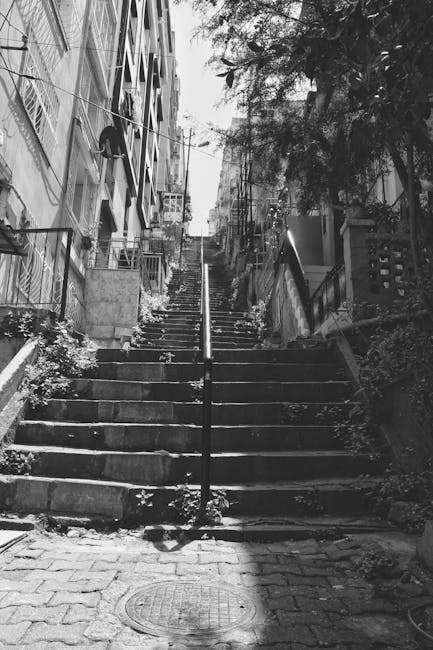
Narrow Victorian stairs in Canonbury: specialist carries
Posted on 02/06/2026
Moving through a Victorian staircase can feel deceptively simple until you're standing at the bottom of it with a sofa, a wardrobe, or a mattress that is just a little too wide for comfort. In Canonbury, that's a common reality. The houses and conversions are full of character, but the stairs can be steep, twisty, and unforgiving on corners. That is exactly why Narrow Victorian stairs in Canonbury: specialist carries matter. They are not just about lifting heavy items. They are about planning, protecting the property, and getting everything up or down safely without turning moving day into a small disaster.
This guide explains how specialist carries work, who they're for, what they solve, and how to prepare properly. If you're moving a flat, a family home, or a mixed-load property in Canonbury, this will help you make better decisions and avoid the usual headaches. Truth be told, a careful carry is often what separates a calm move from one where everyone is quietly sweating by the second landing.
Why Narrow Victorian stairs in Canonbury: specialist carries Matters
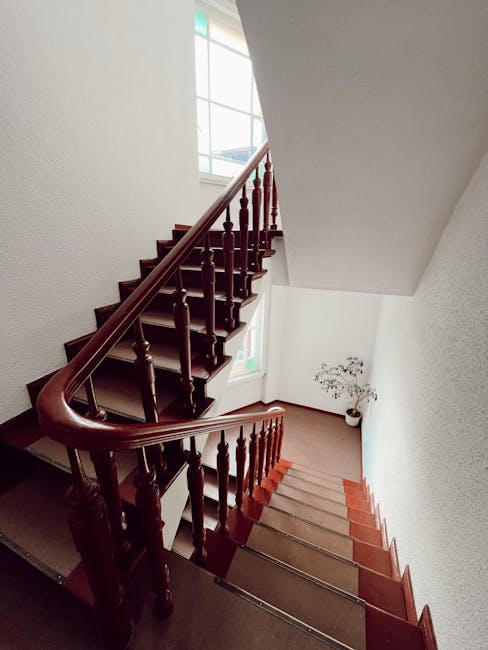
Canonbury has plenty of elegant period homes, split-level flats, and conversions where the staircase was never designed with modern furniture in mind. That's the core issue. Narrow Victorian stairs often have tighter turns, shallow landings, awkward headroom, decorative bannisters, and walls that show scuffs very quickly. Even a routine move can become complicated when the stairs are part of the challenge rather than just a route between floors.
Specialist carries matter because they reduce risk in all the places that matter most: to people, to furniture, and to the building itself. A standard "just try it and see" approach can lead to chipped paint, damaged spindles, strained backs, and unnecessary delays. Specialist movers look at the item, the stair geometry, the access path, and the sequence of the move before anyone touches the first corner. That planning step may sound boring. It saves the day.
There is also a local reality in Canonbury. Many properties are occupied, shared, or set close to other residents. If a carry is rushed, noise and disruption escalate quickly. If it is handled well, the whole move feels more controlled and respectful. That matters for neighbours, landlords, and anyone who has to keep the building looking decent after you've left.
For readers planning a broader move, it can help to combine carry planning with preparation work like decluttering before moving, using proper packing and boxes in Canonbury, and choosing the right level of support from removal services in Canonbury.
How Narrow Victorian stairs in Canonbury: specialist carries Works
A specialist carry is not just "strong people carrying heavy things." That would be too simple, and usually too optimistic. The process is more methodical. First, the movers inspect the item and the access route. Then they judge whether the object can travel upright, tilted, or in sections. They look at stair width, turn radius, bannister clearance, ceiling height, door swing, and any pinch points where the item may snag.
From there, they decide the safest handling method. That may involve:
- wrapping furniture to protect corners and finishes
- removing legs, shelves, or detachable parts
- using sliders, blankets, straps, or lifting aids
- sending two or three people to manage weight distribution
- taking the item at a controlled angle rather than trying to force it straight
On narrow Victorian stairs, timing and communication matter just as much as muscle. One person leads, one watches the rear clearance, and another keeps an eye on walls, light fittings, or the turn at the half landing. If a move is awkward, the team may pause, reset the angle, and try again. That pause is not a failure. It's professional judgement. And yes, sometimes that is the difference between a clean move and a scratched stair rail you'll notice every time you walk past it for the next five years.
In some cases, the best approach is to split the job into smaller segments. A bulky wardrobe might come apart in the hallway, a bed frame may be stripped down before it reaches the stairs, and a mattress might travel with extra protection. If you're moving bedroom furniture, it's worth reading about moving your bed and mattress with care, because those items are often more awkward than people expect.
Key Benefits and Practical Advantages
The main benefit of specialist carries is simple: safer moving in a space that does not forgive mistakes. But the practical advantages go beyond that.
- Less risk of damage: Narrow stairs, sharp turns, and old plaster can be unforgiving. Specialist carries help protect both the furniture and the building.
- Better control on difficult access: A trained team knows how to move slowly enough to stay safe, but not so slowly that the move becomes chaotic.
- Reduced physical strain: Heavy lifting on stairs is hard on knees, backs, wrists, and shoulders. Proper technique matters a great deal.
- More predictable timing: Once the route is properly assessed, you avoid repeated failed attempts and last-minute improvisation.
- Fewer neighbour issues: A smooth carry creates less noise, less corridor congestion, and less "sorry about this" energy in the hallway.
There is also a commercial advantage. If you're comparing movers, specialist carry capability can be more useful than a vague promise that "we do all types of removals." What you need is confidence that someone understands stair geometry, item weight, and practical protection. That is especially relevant if you're looking at flat removals in Canonbury, house removals in Canonbury, or even a focused man and van Canonbury solution where access is the real challenge.
For some moves, you'll also want to think about overall move flow, not just the stairs. Packing order, decluttering, and timing all influence whether the carry is straightforward or messy. A well-packed chest of drawers can be easier to move than a half-empty one with loose items rolling about. Bit counterintuitive, but there it is.
Who This Is For and When It Makes Sense
Specialist carries are not only for luxury homes or very large items. In Canonbury, they make sense for a surprisingly broad range of people and properties.
You may need this service if you are:
- moving in or out of a Victorian terrace with a tight internal staircase
- leaving a first-floor or upper-floor flat with limited turning space
- relocating furniture that is wide, heavy, or awkwardly shaped
- moving items with delicate finishes, glass, or fragile joinery
- handling a same-day or time-sensitive move where every minute counts
- working in a building with shared corridors or awkward communal access
It also makes sense if you're the sort of person who can handle the packing but would rather not spend an afternoon wrestling a wardrobe around a corner while your mate says, "nearly there" for the sixth time. We've all seen that scene. Not ideal.
Students and renters are a good example. A small move may still involve a sofa bed, desk, bookshelf, or mattress that hates tight stairs. If that sounds familiar, look at student removals in Canonbury or a quicker same-day removals option when plans change at short notice.
And if an item is especially valuable or difficult, the decision becomes even clearer. For example, a piano or upright instrument should not be treated like ordinary furniture. That is exactly the sort of job where a professional touch really counts, as explained in piano removals in Canonbury and the guide on why professional handling matters for pianos.
Step-by-Step Guidance
Here is a practical way to approach a narrow-stair move without turning it into guesswork.
- Measure the item and the route. Check width, height, depth, and any protruding handles or feet. Then measure the stair width, the turns, and the landing space. A few centimetres can make a big difference.
- Identify awkward points. Look for bannisters, radiators, light fittings, low ceilings, and door frames. Victorian properties often have one or two surprises hiding in plain sight.
- Decide whether disassembly is needed. Beds, tables, shelving, wardrobes, and desks often move more safely once partially dismantled. Don't be sentimental about a removable leg.
- Prepare the item properly. Remove loose items, tape drawers shut where appropriate, wrap corners, and protect surfaces.
- Clear the stairwell completely. Take away shoes, plants, baskets, and anything else that turns the landing into an obstacle course.
- Plan the order of the move. Move the hardest items before the hallway fills with boxes. It sounds obvious. People still do the opposite all the time.
- Use the right team size. Two handlers may be enough for some items, but bulky or valuable pieces often need extra support.
- Move slowly and communicate. The leader should call each turn clearly. No sudden pulls. No "just lift it a bit more" nonsense.
- Inspect as you go. Pause at landings and check for marks, strain, or a better angle if needed.
- Finish with a final walkthrough. Once the item is in place, check stairs, walls, and floors for any scuffs or missed packing materials.
If you are still in the packing phase, it can help to combine this with effective packing techniques and a calmer prep plan from how to make your house move feel less chaotic. A move is often only as smooth as the preparation before the van arrives.
Expert Tips for Better Results
There are a few habits that make specialist carries noticeably better. Small things, but they stack up.
- Strip items down earlier than you think. People often wait until the van is outside. That creates pressure and clogs the staircase.
- Protect corners first. Corners are where damage usually starts, especially on stair turns.
- Use blankets strategically. Draped protection is helpful, but only if it stays put while the item moves. Sloppy wrapping is worse than none.
- Keep one person free to watch the route. A dedicated spotter can stop a scrape before it happens.
- Label what needs special handling. Fragile, top-heavy, or "this one squeaks if tilted" items should be obvious.
- Take photos before the move. Not for drama. Just practical reference if there is any dispute about pre-existing marks or assembly.
One thing experienced movers learn quickly: the route matters as much as the object. A sofa that looks manageable in the living room may become awkward the moment it meets a tight turn. That's normal. The trick is not to fight the geometry. Work with it.
If you want a deeper sense of handling technique, the articles on kinetic lifting methods and building safe heavy-lifting skills are useful background reading. Not because you need to become a lifting expert overnight. More because understanding the basics helps you brief a team properly.
Common Mistakes to Avoid
Most problems with narrow Victorian stairs are predictable. That's the annoying part. People usually see the risk and hope it won't apply to them. Then it does.
- Skipping measurements: "It should fit" is not a plan.
- Leaving furniture assembled: Oversized items often become impossible near the turn.
- Ignoring stair wear and tear: Narrow painted stairs, older plaster, and period bannisters chip easily.
- Overpacking boxes: Heavy boxes on stairs are a back injury waiting to happen.
- Blocking the route with loose items: If the stairwell is cluttered, the carry becomes slower and riskier.
- Trying to rush the move: Speed helps only when control is already there.
A common one is underestimating how much the stairwell shape affects the job. A straight staircase is one thing. A tight Victorian turn with a half landing is another entirely. You can usually feel the difficulty just by looking at it for a few seconds. If the first instinct is, "hmm, that's tight," trust it.
Another mistake is treating all removals the same. Office furniture, sofas, beds, and pianos all need different handling. Even a modest piece of furniture may benefit from specialist support, which is why dedicated options like furniture removals in Canonbury can be more practical than a generic approach.
Tools, Resources and Recommendations
Specialist carries rely on experience, but the right equipment makes a real difference. The exact tools depend on the item and the property, yet the usual kit includes protective blankets, straps, gloves, trolleys where the route allows, corner guards, and wrapping materials. For more awkward jobs, extra padding and dismantling tools can be essential.
From a planning point of view, a few resources are especially useful:
- Detailed packing materials: See packing and boxes in Canonbury for items that need proper protection before they reach the stairs.
- Storage support: If access is tight and you need to stage items over time, storage in Canonbury can reduce pressure on moving day.
- Removal vehicle planning: Choosing the right size and loading order matters, so reviewing removal van options in Canonbury is worth the time.
- Service overview: If you are comparing support levels, the services overview gives a clearer picture of what can be handled.
Practical recommendation? Build your move around the hardest item, not the easiest one. If the sofa will challenge the staircase, plan around the sofa. If the wardrobe needs dismantling, do it early. The less you leave to the morning of the move, the better your chances of a smooth day.
And if you're managing delicate or unusual items, keep insurance and safety front of mind. Not because something will definitely go wrong, but because good movers think about risk before it appears.
Law, Compliance, Standards, or Best Practice
For most domestic moves, the practical focus is on safe handling, property protection, and clear communication rather than complicated legal issues. Still, good practice matters. Moving teams should use sensible manual handling techniques, assess risks before lifting, and avoid creating hazards in shared spaces. That is just good professional behaviour, and it aligns with standard UK expectations around workplace safety.
If you live in a leasehold building or a managed block, there may also be practical building rules about access times, protecting communal areas, or using lifts and stairwells. These are usually building-specific rather than universal, so it is best to check early and avoid last-minute surprises. A polite heads-up to neighbours can also prevent friction. Not glamorous, but it works.
Where safety procedures are concerned, look for a mover who can explain how they protect stair treads, handle heavy items, and reduce strain on staff. Good service is visible in the details: measured lifting, clear team communication, and proper preparation rather than bravado. If a mover sounds like they want to "just wing it," that is not a reassuring sign. Let's face it, the staircase will not care about confidence.
If you want to understand the provider's working standards further, the pages on health and safety policy, accessibility statement, and complaints procedure help show how a responsible removals business approaches service quality and accountability.
Options, Methods, or Comparison Table
When dealing with narrow Victorian stairs, you usually have a few approaches. The right one depends on item size, fragility, and how tight the access really is.
| Method | Best for | Strengths | Limitations |
|---|---|---|---|
| Standard carry | Smaller, manageable furniture | Quick, efficient, low complexity | Can fail on sharp turns or narrow landings |
| Specialist carry | Bulky, heavy, or awkward items | Safer on tight stairs, better control, less damage risk | Requires more planning and the right team |
| Partial dismantling | Wardrobes, beds, desks, modular furniture | Improves fit and reduces stress on corners | Takes time and needs tools |
| Storage-first approach | Moves with staggered timing or limited access | Reduces pressure on moving day | May add an extra stage to the process |
For many Canonbury moves, the best answer is not one method alone. It's usually a combination. A bed frame may be dismantled, a mattress wrapped and carried carefully, and a cabinet moved by a specialist team. That blend gives you a cleaner result than forcing everything through in one go.
Case Study or Real-World Example
Here's a realistic example. A tenant in a Canonbury flat needed to move out of a first-floor Victorian conversion. The stairwell was narrow, the landing was tight, and the main issue was a large two-seater sofa with chunky arms. At first glance, it looked like a standard carry. Once measured, though, it was clear the sofa would catch on the turn unless it was rotated carefully and protected at the corners.
The movers first removed loose cushions and wrapped the arms. They cleared the hallway, opened the route fully, and sent one person ahead to guide the angle at the landing. The sofa was then carried slowly, paused at the turn, and adjusted rather than forced through. No wall marks. No chipped paint. No stressed-out tenant on the stairs. A very ordinary-looking job, but exactly the kind where planning made the difference.
Another common version is a bedroom move. A bed frame and mattress may seem easy enough, but add a steep Victorian staircase and a narrow doorway, and suddenly you need a better plan. That is why many people combine specialist carries with advice from bed and mattress moving guidance and, where needed, same-day removals in Canonbury for fast turnaround.
The key takeaway from real moves like this is plain enough: the difficult part is usually not the weight alone. It is the shape, the turn, and the lack of room to correct a mistake once you've started. That's the whole game.
Practical Checklist
Use this before moving day or before you book a specialist carry.
- Measure the furniture, including handles, feet, and any protruding parts
- Measure the narrowest point on the stairs and the tightest landing turn
- Check whether the item can be dismantled safely
- Clear hallways, landings, and entrances
- Remove loose items from drawers and shelves
- Protect corners, edges, and fragile surfaces
- Plan who will lead, who will guide, and who will spot obstacles
- Confirm access times for the property and any shared areas
- Decide whether storage or staged moving would help
- Keep a final walkthrough time at the end of the day
Key takeaway: narrow Victorian stairs are rarely a problem you solve by lifting harder. You solve them by preparing better, carrying smarter, and respecting the route as much as the item.
Conclusion
Narrow Victorian stairs in Canonbury can make an otherwise normal move feel oddly complicated. But with specialist carries, that complexity becomes manageable. You get a safer route for furniture, less risk to the property, and a move that feels controlled instead of improvised. That matters whether you're moving a single flat-pack cabinet or a full household's worth of furniture.
The best results come from early planning, accurate measurements, careful wrapping, and a team that understands how period staircases behave in real life. That last part sounds obvious, yet it is often the thing people only appreciate after a near miss on the landing. A little preparation goes a long way. Honestly, it saves a lot of muttering under your breath.
If your move includes awkward access, bulky furniture, or anything delicate, take the time to choose a method that fits the building rather than forcing the building to fit the move. That's the calm way through it, and usually the cheaper way too in the end.
Get a free quote today and see how much you can save.