ULEZ charges & van compliance for Canonbury removals

If you are planning a move in North London, the last thing you want is a surprise charge landing after the boxes are already stacked by the door. ULEZ charges & van compliance for Canonbury removals is one of those practical topics that sounds small at first, then suddenly becomes the thing that changes your budget, timing, and even which van you should book. Truth be told, plenty of people only think about the route once the move is nearly here. That is usually when the stress starts.
This guide breaks the topic down in plain English: what ULEZ means for removals, how van compliance is checked, what to look for before you book, and how to avoid avoidable costs on moving day. You will also find a step-by-step planning flow, a comparison table, a realistic example, and a checklist you can actually use. If you are arranging a home move, a flat clearance, or a small office relocation, this is the sensible starting point.
Expert summary: a compliant van is not just about avoiding a charge. It is about making the move smoother, keeping the quote accurate, and reducing the risk of awkward last-minute delays in and around Canonbury.
Why ULEZ charges & van compliance for Canonbury removals Matters
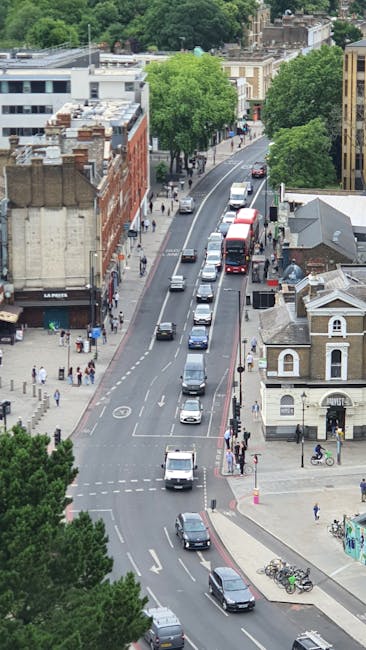
Canonbury sits in a part of London where road space is tight, parking can be awkward, and trip planning matters more than people expect. Add ULEZ into the mix and a simple removal can become more expensive if the van is not compliant. That is why this topic deserves attention before moving day, not after.
ULEZ stands for the Ultra Low Emission Zone. In practical terms, if a vehicle does not meet the required emissions standard for the zone, a daily charge can apply when it is driven inside the zone. For removals, that matters because your van may cross multiple streets, circle for parking, or make more than one run. A vehicle that is fine for rural work can be a poor fit for central or inner-London removals.
Van compliance matters too, and not just because of ULEZ. A suitable removals van needs to be roadworthy, insured appropriately, capable of carrying your load safely, and matched to the sort of access you have. In Canonbury, where terraced roads, shared entrances, and limited stopping space can all come into play, a van that is too large or poorly prepared can create real friction. Let's face it, no one wants to be trying to reverse a bulky vehicle down a narrow street while neighbours wait and the sofa is still on the pavement.
There is also a quote accuracy angle. If a removal company uses a non-compliant vehicle and has to pay the charge, that cost may be built into the job. If they have to switch vans at short notice, the job can slip. Clear planning helps keep pricing cleaner and the day itself calmer. That calm matters more than people admit.
How ULEZ charges & van compliance for Canonbury removals Works
At a basic level, the process is simple: check whether the van meets the zone standards, check whether the planned route goes into the zone, and decide how the move will be carried out. The detail is where people trip up.
First, the vehicle. Many modern diesel and petrol vans meet the relevant standard, but older vehicles may not. Compliance is usually linked to the vehicle's emissions and registration details, not to how clean it looks or how well it is maintained. A shiny older van is still an older van, and the charge question does not disappear just because the bodywork has been polished.
Second, the route. In and around Canonbury, a move may involve roads that sit within or near regulated areas. Even if your pickup and drop-off both feel "local", the actual driving path may still enter chargeable zones. A good removals plan takes the route seriously, not as an afterthought.
Third, the operational side. A removals team may choose a smaller man with van style vehicle for narrow streets and lighter loads, or a larger removal van where volume and item protection matter more. There is no one-size-fits-all answer. You choose the vehicle that fits the property, the access, and the load. Simple, but not simplistic.
Finally, paperwork and communication matter. The right questions are boring in the best possible way: Is the van compliant? Is the driver aware of restricted parking? Is there enough room for loading? Can the move be done in fewer trips? Those questions save time and money, which is really the point.
Key Benefits and Practical Advantages
The obvious benefit is avoiding unnecessary charges. But there are several others that often matter just as much.
- Better budgeting: if the vehicle is compliant, the day is less likely to include hidden charge exposure.
- Smoother scheduling: fewer vehicle issues means fewer changes to the move plan.
- Reduced stress: when the van is right for the job, the whole process feels more manageable.
- Improved access planning: a well-matched van is easier to park, load, and unload in tight Canonbury streets.
- Less handling risk: the right vehicle can reduce awkward extra lifts and repeated trips.
- More reliable quotes: when compliance and route planning are factored in early, estimates are less likely to drift.
There is another, slightly underrated advantage: trust. A mover who can talk clearly about emissions compliance, vehicle suitability, and route planning usually has their operational basics sorted. That is reassuring. You notice it quickly when someone is willing to explain the difference between a suitable load space and a "probably fine" van. Probably fine is not a plan.
If your move includes fragile furniture, awkward stairwells, or a tight building entrance, you may also want to explore broader moving support such as removal services or specialist help for a house move through house removals. That way the van choice supports the whole move, not just the driving part.
Who This Is For and When It Makes Sense
This topic is relevant if you are moving home, moving a flat, clearing a property, shifting office equipment, or arranging a one-off delivery that involves a van entering London charge zones. It is especially useful if you are comparing moving quotes and want to understand why one price is a bit higher than another.
It makes sense for:
- people moving in or out of Canonbury and nearby North London streets
- tenants doing a same-day move with limited access time
- homeowners relocating larger furniture or appliances
- small businesses arranging a commercial move
- office managers planning an internal or external relocation
- anyone booking a man and van service and wanting to avoid charge surprises
It may matter less if your move is entirely outside the zone and the vehicle stays compliant anyway, but even then it is worth checking. A route can change, a parking bay can be unavailable, or a driver may choose a different approach on the day. Small adjustments can become chargeable detours. It happens.
If your move is small and you mainly need a few bulky items shifted, a service like furniture pick up may be more suitable than a full-scale removal. For larger jobs, you may be better looking at man with van removal or a more structured removal company approach.
Step-by-Step Guidance
Here is the practical version. Not glamorous, but extremely useful.
- Identify the move type. Is it a flat move, house move, office relocation, or furniture-only job? The load profile matters.
- Check the vehicle category. Confirm whether the van proposed is likely to meet ULEZ requirements and whether it is suitable for the size of the move.
- Review the route. Think about pickup, unloading, and any cross-city driving. A local move can still pass through chargeable roads.
- Ask about parking and access. Tight bays, controlled parking, and short loading windows can affect both time and vehicle choice.
- Confirm the quote structure. Ask whether charges, access issues, stairs, or waiting time are included or treated separately.
- Choose the right service level. A simple load may suit a man with van booking, while heavier or more complex moves may need house movers or office removals.
- Prepare the property. Pack properly, label boxes, and make sure the van can load quickly. Less time idling usually means fewer headaches.
- Recheck the day before. This is the part people forget. A last-minute vehicle substitution can change compliance status.
A tiny aside, but a useful one: moving day has a funny way of exposing every missing detail at once. The more you confirm beforehand, the less you end up holding a kettle in one hand and a question in the other.
Expert Tips for Better Results
There are a few simple habits that make a noticeable difference.
- Prefer clarity over assumptions. Never assume a van is compliant just because it is "new enough" or "the same as last time".
- Use the smallest vehicle that safely fits the job. In Canonbury, easier manoeuvrability can save as much time as raw capacity.
- Group items well. Good packing reduces the need for extra trips, which is good for time and charge control.
- Match service to complexity. A single-item lift does not need the same setup as a full household move.
- Build in buffer time. Loading always takes longer than the optimistic version in your head. Always.
- Keep communication open. If access changes, tell the mover early so the van choice and timing can adapt.
If you are unsure what service level fits your move, browsing the broader movers and removal services options can help you compare scope before you commit. For a straightforward home relocation, home moves may be the cleaner fit.
Practical takeaway: the cheapest quote is not always the best value if it assumes a non-compliant van, extra trips, or a route plan that does not match London reality.
Common Mistakes to Avoid
Most problems here are avoidable. That is the slightly annoying part, because it means they tend to come from rushing.
- Booking before checking compliance. A quick yes on the phone is not enough. Confirm the vehicle details.
- Ignoring the route. Even a local move may cross into chargeable streets.
- Choosing a van that is too large. Bigger is not always better in Canonbury.
- Not asking about waiting time. If access is tricky, delays can stack up.
- Forgetting stair or access conditions. A top-floor flat with no lift is not the same as a ground-floor pick-up.
- Assuming all removal vans are the same. They are not. Load space, emissions, insurance, and handling differ.
- Leaving packing until the morning of the move. That is brave, but not wise.
One more subtle mistake: treating ULEZ compliance as separate from van suitability. In practice, they go hand in hand. A vehicle can be compliant and still be a poor choice for the building, the access, or the load. You want the whole thing to work together.
Tools, Resources and Recommendations
You do not need a complicated toolkit, but you do need a sensible one. Start with your move inventory: what is going, what needs dismantling, what is fragile, and what will need extra care. A proper list sounds dull until you are trying to find the box that contains screws for the bed frame.
Useful things to have ready include:
- a room-by-room packing list
- photos of any bulky items or awkward access points
- the move date and time window
- parking information for both addresses
- building access notes, including stairs, lifts, and entry restrictions
- contact details for the person who will meet the driver
For reassurance around standards and trust, it also helps to review the company's safety and policy pages. Pages such as insurance and safety, health and safety policy, and terms and conditions can tell you a lot about how seriously a provider takes the operational side. If you care about responsible disposal and reduced waste during the move, recycling and sustainability is a sensible page to check as well.
That mix of practical prep and policy awareness is not overkill. It is just good housekeeping, the kind that stops small issues turning into expensive ones.
Law, Compliance, Standards, or Best Practice
Without getting lost in legal jargon, the key point is this: vehicle compliance and road charging are not optional details. If a van enters a charging zone and does not meet the required standard, a charge can apply. The responsibility usually sits with the driver or the operator, and the cost may end up passed through in pricing if it is part of the job structure.
There are also broader standards to think about. A professional removal job should be:
- carried out with appropriate insurance cover
- planned to minimise avoidable risk
- matched to the vehicle's legal carrying capacity
- managed with care for property, public space, and loading conditions
- communicated clearly so the customer understands what is included
Best practice in removals is simple, really: use the right vehicle, check the route, confirm access, and avoid guessing. That is especially true in London, where one wrong turn can mean a charge, a delay, or a parking headache.
If your move is business-related, it is worth looking at the operating structure for office relocation services or commercial moves. Commercial jobs often need tighter planning because timing, building access, and internal coordination are less forgiving.
Options, Methods, or Comparison Table
Below is a simple comparison to help you decide what kind of vehicle and service level may fit your move. It is not a rigid rulebook, but it is a useful way to think.
| Option | Best for | Pros | Watch-outs |
|---|---|---|---|
| Small compliant van | Light removals, student moves, a few bulky items | Easier to park, better for narrow streets, often quicker on access-limited jobs | May require more careful loading if volume is tight |
| Standard removal van | Typical house or flat removals | Balanced load space and practicality, usually the safer all-round choice | Can still be awkward in very tight streets if oversized for the route |
| Larger moving truck | Heavier or multi-room jobs, office moves | More capacity, fewer trips, useful for bigger commercial loads | Needs more space and planning; access and compliance matter even more |
| Man and van service | Quick, flexible, lower-volume jobs | Flexible, often simpler for short notice, good for single-room or partial moves | May not suit large households or complex access without extra planning |
For many Canonbury moves, the sweet spot is somewhere between flexibility and capacity. Too small and you waste time with extra runs. Too large and you create access problems. The "just right" choice is usually the one that fits the building as much as the boxes.
Case Study or Real-World Example
Here is a realistic example based on the kind of move people arrange every week.
A couple moving from a first-floor flat in Canonbury to another North London property needed to move a sofa, a bed, a dining table, six boxes of books, and a handful of fragile kitchen items. At first, they wanted the cheapest vehicle they could find. Fair enough. Budget matters.
Once the access was reviewed, it became clear the street was tight, parking was limited, and the move would likely need careful loading at both ends. A smaller compliant van made more sense than a larger vehicle. That meant fewer access issues and less risk of awkward manoeuvres. The driver could position the van more easily, loading was faster, and the move stayed neat. No drama, no double parking circus, no last-minute scramble.
Now imagine the same move with an older non-compliant vehicle. The move might still happen, but the day could be more expensive and less predictable. If a route change or loading delay pushed the van into a chargeable zone, the costs and stress would both rise. Small difference on paper, noticeable difference in real life.
That is the quiet value of planning properly. Not glamorous, but very effective.
Practical Checklist
Use this before you book or on the week of the move.
- Confirm whether the van is ULEZ compliant.
- Check the exact pickup and drop-off route.
- Ask whether any road charges are included in the quote.
- Match vehicle size to the actual load.
- Note parking restrictions at both addresses.
- Check stair access, lifts, and doorway widths.
- Prepare fragile items separately and label them clearly.
- Ask about insurance and safety cover.
- Confirm the moving date, arrival window, and contact number.
- Review the mover's broader service scope if you need help with packing, loading, or heavier furniture.
- Keep essential documents, keys, and chargers with you, not in the van.
If the job involves packing help as well, you may want to pair the move with packing and unpacking services. It can save a surprising amount of time, and yes, a fair amount of swearing too.
Conclusion
ULEZ charges & van compliance for Canonbury removals is not a niche technical issue. It is a practical planning question that affects price, route choice, access, and how smoothly your moving day unfolds. Once you understand the basics, the rest becomes much easier: choose the right van, confirm compliance, think through the streets and parking, and make sure the removal plan fits the reality of London rather than the ideal version in your head.
That is the real goal here: fewer surprises, fewer delays, and a move that feels controlled rather than chaotic. A little preparation goes a long way, especially in a place like Canonbury where the streets can be charming one minute and awkward the next.
If you are ready to plan a smoother move, it is worth reviewing your vehicle choice, your route, and the service level you actually need before booking. A calm start makes the rest easier.
Get a free quote today and see how much you can save.
Frequently Asked Questions
Do all removal vans need to pay ULEZ charges in Canonbury?
No, not all vans do. Whether a charge applies depends on the vehicle's emissions standard and whether it enters the relevant zone. The safest approach is to confirm compliance before the move, rather than assuming.
How do I know if a van is ULEZ compliant?
You should ask the provider for the vehicle details and check the emissions standard against the current zone requirements. If the answer is vague, push for clarity. It is a fair question.
Can a local Canonbury move still trigger ULEZ charges?
Yes. Even a short local job can pass through chargeable roads depending on the route, collection point, and parking setup. "Local" does not always mean "outside the zone".
Is a man and van service better for ULEZ-aware removals?
Sometimes, yes. A smaller vehicle can be easier to manoeuvre on narrow streets and may be more suitable for lighter loads. But the right choice depends on the volume, access, and whether the van is compliant.
What happens if the van is not compliant on moving day?
If the vehicle enters the zone and is not compliant, a charge may apply. It can also create scheduling pressure if the provider needs to substitute vehicles or alter the route.
Should I choose a bigger van to avoid multiple trips?
Not automatically. A larger van can reduce trips, but it may be harder to park or access on Canonbury streets. Often the best solution is the smallest vehicle that safely fits the job.
Do ULEZ charges apply to office removals as well as home moves?
Yes, if the vehicle enters the relevant zone and does not meet the standard. The type of move does not change the vehicle rule, though commercial jobs often need more route planning.
Can I reduce costs by packing better?
Absolutely. Well-packed items take up less space and make loading faster. That can reduce the need for extra trips and help keep the move efficient.
What should I ask before booking a removal company?
Ask about vehicle compliance, insurance, route planning, access handling, and whether any extra charges could apply. Clear answers early are a good sign.
Is it worth paying more for a compliant vehicle?
Usually, yes. A compliant van can remove charge risk and make the job more predictable. In practice, that often protects the budget better than a cheaper quote that creates add-on costs later.
Does Canonbury parking affect van compliance?
Not directly, but it affects the overall plan. Poor parking access can force longer waits, awkward manoeuvres, or route changes, and that is where problems can start to build.
Where can I learn more about the service before I book?
You can review the provider's service pages such as removals, removal company, or about us to understand their approach, then compare it with your move needs.