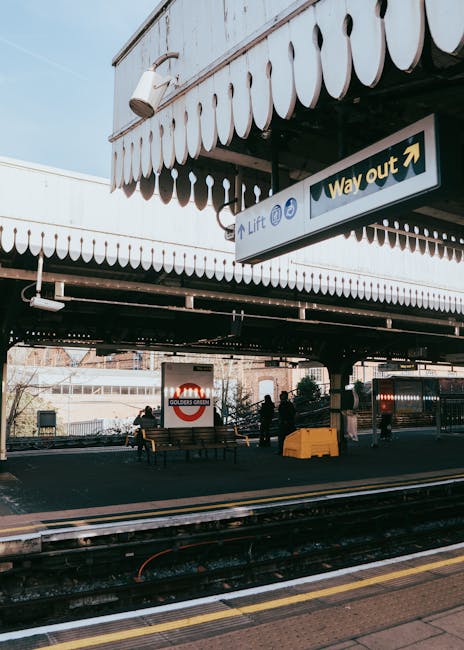
Canonbury station pickup and drop off rules for removals
If you are planning a move near Canonbury station, the pickup and drop off rules for removals can make the difference between a calm moving day and a very annoying one. Space is tight, traffic can build quickly, and even a short stop needs a bit of thought. The good news? With the right planning, you can keep the move moving, protect your belongings, and avoid the sort of roadside scramble nobody wants at 8am with a sofa halfway out the van.
This guide explains how Canonbury station pickup and drop off rules for removals usually work in practice, what to watch for around station-side loading, and how to plan your van, timing, and access so the whole thing feels controlled rather than chaotic. We will also cover common mistakes, compliance points, and a realistic step-by-step approach that works well for local removals in N1.
- Why the rules matter
- How pickup and drop off works
- Key benefits and practical advantages
- Who needs this and when it makes sense
- Step-by-step guidance
- Expert tips for better results
- Common mistakes to avoid
- Tools, resources and recommendations
- Law, compliance, standards, or best practice
- Options, methods, or comparison table
- Case study or real-world example
- Practical checklist
- Conclusion
- Frequently asked questions
Why Canonbury station pickup and drop off rules for removals Matters
Station areas are rarely forgiving places for removals. Around Canonbury station, you are dealing with a mix of commuters, taxis, cyclists, buses, delivery drivers, and people who are already in a hurry. Add a removal van into the picture and the margin for error gets very small, very fast.
The main reason these rules matter is simple: loading and unloading affects everyone on the street. If you stop in the wrong place, stay too long, block the flow, or ignore local parking restrictions, the move can be delayed or challenged. And on moving day, delays usually snowball. One extra 10-minute problem can become half an hour, then the whole schedule slips. Bit of a domino effect, really.
For removals near a station, the goal is not just to "park somewhere close." It is to pick a stop that is lawful, safe, and workable for the exact type of move you are doing. A small flat move with two people and a van is a different animal from a full house removal with furniture, cartons, and a tight staircase. The rules around pickup and drop off are really about controlling that complexity.
You also need to think about the wider area. Canonbury sits in a part of London where streets can be narrow, parking can be limited, and loading space may be shared with residents and businesses. That means your removal plan should be based on reality, not wishful thinking. In our experience, the best moves are the ones where the van position has been thought through before the first box is lifted.
Practical takeaway: treat the pickup or drop off point as part of the move itself, not an afterthought. A good parking choice often saves more time than an extra pair of hands.
How Canonbury station pickup and drop off rules for removals Works
There is no single universal "one-size-fits-all" rule for every removal near Canonbury station. Instead, the process usually comes down to a combination of local parking conditions, road markings, nearby restrictions, vehicle size, loading duration, and whether you are stopping on-street or using a more suitable access point.
In plain English, here is how it tends to work:
- Check the immediate road layout. Is there space to pull in safely without blocking traffic or crossing double yellow lines in a way that is not permitted?
- Read the restriction signs. Loading may be allowed in some places at some times, but not all. Don't guess. The sign wins every time.
- Match the stop to the size of the move. A quick pickup of a few items is easier to manage than a full household load.
- Plan the timing. Early morning, school run hours, and commuter peaks can all change how easy the stop feels.
- Keep the handover short. If the van is waiting while keys are passed around or boxes are still being sorted, you lose the advantage of the stop.
For removals, pickup and drop off also means more than just where the van parks. It includes the route from the van to the property entrance, whether there is enough room for trolleys or dollies, and whether the team can carry safely without turning it into a relay race through a crowd. Let's face it, no one wants a wardrobe wobbling past a station entrance while people are stepping aside with coffee cups.
A sensible operator will usually think in layers: road access, vehicle access, building access, then internal carrying access. If one layer is weak, the whole plan slows down. That is why local knowledge matters so much. A street that looks fine on a map can feel very different with a van in it.
If you are comparing local moving support, it can help to look at broader services too, such as removal services or a simpler man and van option when the job is lighter and access is tight. The right fit depends on the volume, the building, and how much time you realistically have.
Key Benefits and Practical Advantages
Following the right pickup and drop off approach near Canonbury station brings a few clear benefits, and they are not small ones. A well-planned stop can reduce stress, protect the vehicle, and make the entire removal feel more professional.
- Less waiting time: The van is positioned where loading can happen efficiently, so you are not wasting minutes circling the block.
- Lower risk of fines or complaints: Keeping within the local rules helps you avoid unnecessary trouble.
- Safer handling: A sensible stop means shorter carrying distances and fewer awkward lifts.
- Better timing: If the schedule is tight, every small gain matters.
- Less damage risk: Furniture is less likely to be knocked, dragged, or rushed if the route is straightforward.
- Cleaner handover: The move feels calmer, which is especially useful if landlords, agents, or neighbours are watching the clock.
There is also a quieter benefit that people often forget: confidence. When the loading point is sorted, the whole team works better. You can see it in the way people move, speak, and carry. Less second-guessing, fewer pauses, fewer "shall we try the other side?" moments.
For local jobs, especially around London stations, that confidence matters. The street may be narrow and the weather may be doing its own thing, but a clear plan keeps things grounded. One van, one route, one purpose. Nice and simple.
Who This Is For and When It Makes Sense
This topic matters to anyone moving items near Canonbury station, but it is especially relevant for a few groups.
- Flat movers: If you live in a maisonette, apartment, or converted period property nearby, roadside access can be the difference between an easy lift and a long carry.
- People moving at short notice: Last-minute jobs leave less room for parking mistakes, so the rules matter even more.
- Students and renters: Smaller loads still need lawful stopping space, especially if the move happens during busy periods.
- Families moving house: Bigger loads need tighter planning, and any loading delay gets magnified fast.
- Small businesses: Shop stock, office chairs, files, and IT kit all need careful pickup and drop off planning.
- Landlords and managing agents: If you are coordinating a move-out or move-in, it helps to know how to brief the removals team properly.
It also makes sense if your property access is awkward. For example, if you are near a narrow side street, near a junction, or in a building where the front door opens directly onto a busy pavement, the loading plan becomes almost as important as the packing itself. That is not exaggeration. That is just how London moves work.
Sometimes people think the answer is simply hiring a bigger van. Not always. A larger vehicle can make access harder, not easier. Truth be told, the best choice is often the one that fits the street rather than the one that sounds impressive on paper. If your move involves a smaller load, a carefully planned moving van arrangement can be more practical than forcing a huge vehicle into a tight stop.
Step-by-Step Guidance
If you want a smooth removal near Canonbury station, use this sequence. It is simple, but simple is good when the street is busy and the clock is ticking.
- Survey the access before moving day. Walk the route from the property to the likely van position. Notice narrow pavements, gate widths, kerbs, and anything that might slow you down.
- Check signs and restrictions. Confirm whether waiting, loading, or short stops are allowed where you plan to pull in. If the signage is unclear, do not assume.
- Choose the right vehicle size. Match the van to the load and the road. Bigger is not always better near a station.
- Book the loading window properly. Try to avoid the most congested periods when possible. Early starts often work better, though not every move can be done at dawn, obviously.
- Prepare the items before the van arrives. Have boxes sealed, furniture wrapped, and the key items grouped together. Waiting around with doors open is how little delays start breeding.
- Assign roles. One person handles the property side, one manages the van side, and someone keeps an eye on the route.
- Load in a deliberate order. Put heavier or awkward items in first if that helps the layout, then fill gaps with smaller items to keep things stable.
- Do a final sweep. Check cupboards, loft spaces, behind doors, under beds, and any storage areas before leaving. You would be surprised how often a charger or important folder gets left behind.
Here is the useful bit: the stop itself should be treated as a moving system, not just a parking decision. If loading takes longer than expected, the plan needs a margin. If the road is busier than expected, you need a fallback. Good removals teams do not wing this; they build in small buffers because life happens and London traffic does what it likes.
For more involved moves, especially if you need help with packing before loading, packing and unpacking services can save a great deal of stress. That can be especially useful when the drop off point has limited room and you need to work efficiently on arrival.
Expert Tips for Better Results
These are the little things that make a big difference. They are not glamorous, but they matter.
- Photograph the road and the stop point in advance. Not for drama, just for reference. A quick photo can help you remember where the widest gap or safest turn-in actually was.
- Use clear labels. If items need to come off first at the drop off point, label them in a way that is obvious even when everyone is tired.
- Protect the route, not just the furniture. Door frames, bannisters, and thresholds near older properties can take a beating if nobody is paying attention.
- Keep the van side tidy. A crowded loading area slows everything down. It also increases the chance of damage. Small van floor, big mess, no thanks.
- Mind the weather. Rain makes surfaces slick and slows handling. In winter, you may need a little more time than you first guessed.
- Think about neighbours. Near Canonbury station, sound carries. Try to keep noise and blocking to a reasonable minimum, especially if you are loading early or late.
One practical tip we always come back to: keep the first-load items near the exit. If the items that are going onto the van first are buried behind everything else, the whole move becomes clumsy. That sounds obvious, but in the rush of the day, people forget. Happens all the time.
If you expect a tricky furniture carry, it can also help to review guidance on furniture pick-up or more specialist support for heavier pieces. Large items and tight loading points do not mix well unless the route has been thought through properly.
Common Mistakes to Avoid
Most removal problems near station areas are surprisingly predictable. They are usually not caused by bad luck; they are caused by rushed planning.
- Assuming you can stop anywhere for a minute. That "just for a second" mindset causes a lot of trouble.
- Choosing the van before checking the street. Vehicle fit should come after access planning, not before.
- Leaving packing to the last minute. The loading point is not the place to start taping up boxes.
- Forgetting about return access. If you need a second run, make sure the same stop still works later.
- Ignoring neighbours and pedestrians. A move that blocks the pavement too long can create avoidable tension.
- Not having someone supervise the curbside side of the move. When a team is focused on lifting, someone still needs to watch the street.
- Underestimating heavy or awkward items. Sofas, wardrobes, beds, and filing cabinets can turn a simple stop into a much slower process.
One of the biggest mistakes is trying to save time by skipping the checking stage. It rarely saves time. Usually it does the opposite. You end up moving things twice, or repositioning the van, or waiting while someone runs back upstairs for a missing key. Not ideal.
If your move involves a lot of furniture that may need to be disposed of or replaced, it can help to understand local disposal options too. A useful starting point is the guide on Islington Council bulky waste rules for removals, especially when you are deciding what should be moved, sold, recycled, or taken away separately.
Tools, Resources and Recommendations
You do not need a van full of gadgets to manage a station-area move, but a few practical tools make life easier.
| Tool or resource | Why it helps | Best for |
|---|---|---|
| Measuring tape | Checks furniture widths, door gaps, and awkward corners before the van arrives | Sofas, wardrobes, beds, and tight staircases |
| Labels and marker pens | Makes unloading faster and reduces mix-ups | Flat moves, office moves, multi-room removals |
| Furniture blankets and straps | Protects items while they are carried and secured | Heavy or valuable furniture |
| Trolley or dolly | Reduces strain on the team and speeds up short carries | Boxes, appliances, and dense items |
| Parking plan | Helps you choose the safest and most efficient stop point | Any move near Canonbury station |
| Pre-move checklist | Keeps the process organised and reduces forgotten items | Everyone, frankly |
In terms of local service types, people often compare a full removal company with a smaller man-and-van arrangement. If you are weighing up those options, the page on removal company is a helpful place to understand the broader service model, while man with van removal may suit a lighter or more flexible move.
For homeowners and tenants who want to reduce the overall strain, home moves support can be a sensible fit when the job is more than a quick pickup but less than a full-blown multi-team relocation. And if you are simply comparing options before booking, the pricing page is worth a look for clearer budgeting: pricing and quotes.
Law, Compliance, Standards, or Best Practice
For removals near Canonbury station, compliance is mostly about doing the basics properly and respecting the local environment. You do not need to overcomplicate it, but you do need to be careful.
That usually means:
- Observing road markings and signage. If waiting or loading is restricted, you need to follow that restriction.
- Keeping pavements clear where possible. Blocking pedestrian access can create safety issues and complaints.
- Loading safely. Heavy lifting should be done in a way that protects the crew, the public, and the property.
- Using a suitable vehicle. The van should be fit for purpose and appropriate for the route and load.
- Following insurance and safety expectations. If the vehicle or team is not insured properly, that is a risk nobody needs.
Good best practice also includes checking whether the move needs extra planning for permits, access, or timing. We are not going to pretend every street is the same; it really isn't. Some roads are straightforward, others feel like they were designed to test your patience.
It can also be wise to think about sustainability and waste handling. If items are being removed as part of the move, choose a team that takes recycling seriously where possible. That is where pages such as recycling and sustainability become relevant, especially if you are trying to reduce the amount that goes to landfill.
On the operational side, a reputable business should have clear policies around safety, complaints, and payments. Those details might not be the most exciting part of a move, but they matter because they tell you how the company behaves when things do not go perfectly. And let's be honest, moving day rarely unfolds like a neat brochure.
Options, Methods, or Comparison Table
Different removal setups suit different kinds of pickup and drop off situations near Canonbury station. Here is a practical comparison.
| Method | Best for | Pros | Trade-offs |
|---|---|---|---|
| Small man and van stop | Light moves, quick pickups, tight streets | Flexible, easier to position, usually faster for compact jobs | Limited capacity, may need multiple runs |
| Full removal van | House moves, larger furniture, larger volumes | More capacity, fewer trips, better for bulky loads | Harder to park, more sensitive to narrow access |
| Pre-planned loading bay or access point | Moves where a known loading area exists | More control, less scrambling, smoother handover | May require extra scheduling and strict timing |
| Two-person carry with short curbside stop | Small flat moves or single-room removals | Cheap, simple, and efficient if access is clear | Not suitable for larger or heavier items |
Which one should you choose? That depends on three things: the load, the street, and the time available. If one of those is awkward, keep the setup simple. If two are awkward, be extra cautious. If all three are awkward, plan like a local pro or you may spend the day doing parking gymnastics.
Sometimes a smaller van with a smarter loading plan beats a bigger vehicle every time. That is especially true near station areas where access is constrained and everyone wants to keep moving.
Case Study or Real-World Example
Here is a realistic example based on the kind of move people often make near Canonbury station.
A couple moving from a first-floor flat had a sofa, a mattress, four boxes of books, kitchen items, and a small dining table. At first, they thought any van could pull up outside and the job would take half an hour. Once they checked the street more carefully, they realised the best stopping point was not directly outside the door, but a short distance along the road where the kerbside space was safer and the carrying route was clearer.
That small change made a big difference. The team could load without blocking a junction, the sofa came out cleanly, and the mattress did not need to be wrestled round a corner while people waited to pass. There was still a bit of heavy breathing - furniture always seems heavier on the second floor - but the move stayed controlled. No frantic repositioning, no awkward reversing, no last-minute panic.
What did they do right?
- They checked the access before the day itself.
- They chose a vehicle size that suited the actual load.
- They packed boxes in advance, not on the pavement.
- They accepted that the best stop point was not the most obvious one.
The lesson is pretty clear: the nearest stop is not always the best stop. A slightly less obvious position can save a lot of time and hassle. That is the sort of thing local movers learn after enough jobs in real streets, with real people, and real time pressure.
Practical Checklist
Use this checklist before your removal near Canonbury station. It keeps the day tidy and stops little problems becoming bigger ones.
- Confirm the exact pickup and drop off addresses.
- Check whether the road allows loading or short stops at the time you need.
- Measure large furniture and compare it with doors, stairs, and van space.
- Decide whether you need a small van, a larger van, or a full removal setup.
- Pack and label boxes before moving day.
- Keep essentials, documents, keys, and chargers separate.
- Protect fragile items with proper wrapping.
- Make sure the path from property to van is clear.
- Brief everyone on the order of loading and unloading.
- Have a backup plan if the planned stop is occupied or restricted.
- Check insurance and safety arrangements.
- Walk through the property one final time before departure.
Quick summary: the smoother the prep, the shorter the curbside stop. That is the heart of it. Good removals are usually won before the van even arrives.
Conclusion
Canonbury station pickup and drop off rules for removals are really about good judgement, not guesswork. If you understand the street, respect the restrictions, choose the right vehicle, and prepare your load properly, the move becomes much more manageable. You do not need perfection. You just need a plan that fits the reality of the area.
Near a busy station, small details matter more than people expect. A clear stop point, a sensible schedule, and a tidy loading process can save time, reduce stress, and make the whole job feel far less chaotic. And that is usually the goal, isn't it? To get the boxes moved, the furniture protected, and the day back under control.
If you are still deciding how to handle your move, take a moment to compare your access, your load, and your timing before you book anything. A little planning now saves a lot of faff later.
Get a free quote today and see how much you can save.
When the van pulls away and the last box is safely inside, the street feels quieter somehow. That is the feeling worth planning for.
Frequently Asked Questions
Can a removals van stop directly outside Canonbury station?
Sometimes yes, sometimes no. It depends on the exact road, the signs, the time of day, and whether the stop would obstruct traffic or breach local restrictions. Always check the immediate area rather than assuming.
What is the best time of day for a removal near Canonbury station?
Earlier is often easier because traffic is lighter and loading space tends to be less pressured. That said, the best time is the one that matches your access, the building, and any parking rules you need to follow.
Do I need a small van for Canonbury station removals?
Not always, but small or medium vans can be easier to manage in tight streets. Bigger vehicles may carry more, but they are harder to position if the access is limited. The right size depends on your load.
What happens if the loading space is already occupied?
You may need to wait, use an alternative legal stop, or adjust the loading plan. This is why a backup option matters. A good removal plan always has a second choice, because streets are rarely predictable.
Are there special rules for dropping items off near the station?
The same general road, parking, and loading restrictions apply. The key difference is that unloading can take longer if items need to go upstairs or through a busy entrance, so timing and vehicle position become even more important.
Can I use a man and van for a station-area move?
Yes, often that is a sensible option for smaller loads or tighter access. A man and van setup can be more flexible, especially if you are moving a few items, a studio flat, or furniture with limited curb space.
What should I do if my furniture is too large for the entrance?
Measure carefully before the move and consider whether the item needs dismantling or a different carrying route. It may also help to review packing and handling support for awkward pieces, especially if the staircase or doorway is tight.
Do I need to tell neighbours about the move?
It is not always required, but it is considerate, and it can reduce friction if access may be briefly affected. A quick heads-up can go a long way, especially in a busy street near a station.
How do I avoid delays during pickup or drop off?
Prepare everything in advance, keep the route clear, choose the right vehicle, and make sure someone is ready to manage the curbside side of the move. Delays usually come from poor prep rather than the move itself.
What if I am moving during bad weather?
Rain, wind, and cold can slow everything down. Use covers, protect floors and furniture, and allow more time than you think you need. Wet pavements and heavy items are not a great combination, to be fair.
Is it better to book a full removal company or a smaller service?
It depends on the size and complexity of the move. Larger household moves usually suit a fuller removals setup, while lighter or more flexible jobs may be better handled by a smaller van service. If you are unsure, compare the load, access, and timing first.
What should I check before I confirm my booking?
Check vehicle size, access conditions, timing, parking restrictions, insurance, and what help is included with loading and unloading. A quick checklist before confirmation prevents a lot of stress later on.